The year was 1978, and for West Bromwich Albion, it was a season of contrasts, triumphs, and tribulations that would echo through the corridors of The Hawthorns for decades to come. The Baggies, a club steeped in rich history and tradition, were on the cusp of something extraordinary, yet faced challenges that tested their mettle and resolve.
As the season kicked off, optimism was high among the fans. Under the guidance of manager Ron Atkinson, West Brom had a squad brimming with talent, featuring the likes of the legendary Bryan Robson, who would go on to become one of the club's most celebrated figures. The Baggies started the season in fine form, showcasing an attacking style of play that thrilled supporters and struck fear into the hearts of their opponents. The team finished in a commendable third place in the league, a testament to their consistency and ability to perform under pressure.
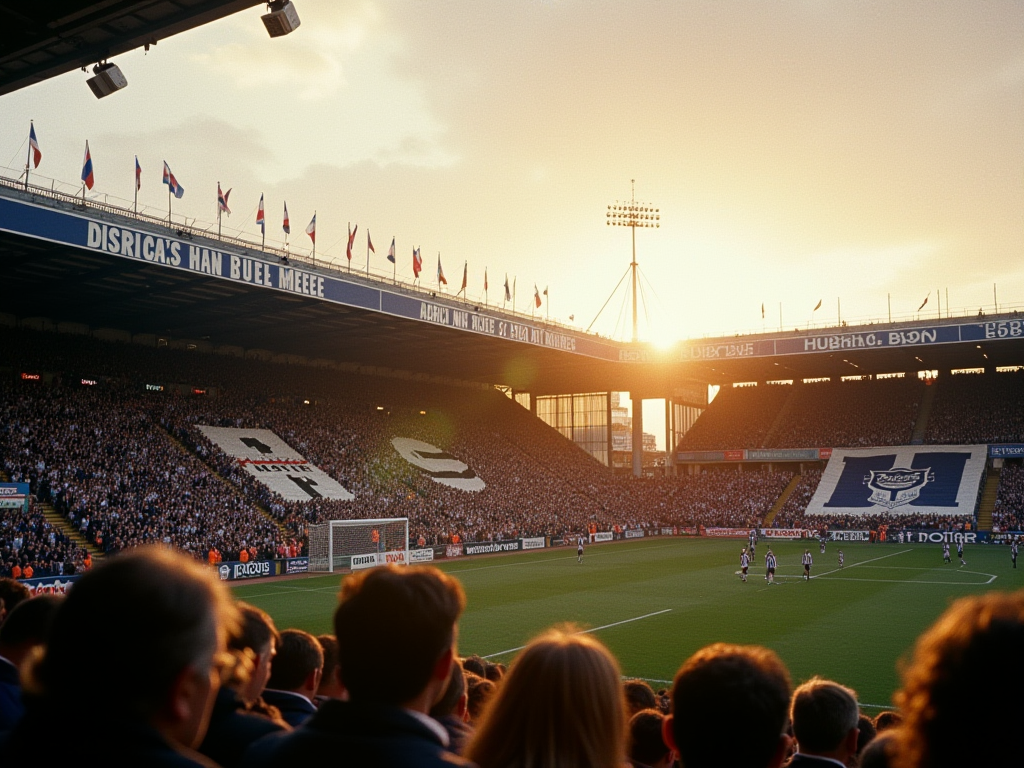
However, it wasn't just the league performance that made 1978 memorable. The FA Cup was a significant focus that year, and after a series of impressive performances, West Brom found themselves in the final against the formidable Ipswich Town. The match, held at Wembley Stadium, was a showcase of English football at its finest. Thousands of Baggies fans made the pilgrimage to London, filling the stands with blue and white, their chants echoing through the stadium.
The final was a gripping affair, with both teams showcasing their skills and determination. West Brom took the lead, but Ipswich clawed their way back, and the match ended in a dramatic draw, necessitating a replay. This was a moment of high tension, yet it also brought the club and its supporters together, uniting them in their shared passion and hope.
The replay, held just days later, was a different story. Played in front of a raucous crowd, The Baggies held their nerve and delivered a performance that would go down in club folklore. The victory not only secured silverware but also reinforced the identity of West Bromwich Albion as a club capable of achieving great things against the odds.
Yet, the season was not without its darker moments. Soon after the FA Cup success, a series of injuries began to plague the squad, casting a shadow over their league campaign. The team struggled to maintain their earlier form, and the pressure began to mount. Ron Atkinson faced questions about his tactics and squad depth, while fans watched anxiously as the club's fortunes waned. The balance between triumph and turmoil was precarious, but it was a reflection of the unpredictability that is so often a hallmark of football.
Despite the challenges, the 1978 season remained a pivotal moment in the club's history, highlighting the resilience and fighting spirit of the team. It was a stark reminder that football is not just about the trophies won, but also about the journey and the connections forged along the way. The spirit of that season still resonates with Baggies supporters today, who remember it as a time of both great achievement and significant adversity.
As we reflect on this defining year, it serves as a reminder that every club has its highs and lows, and it is the collective experience of triumph and struggle that truly binds a team to its fans. The legacy of the 1978 season continues to inspire current players and supporters alike, reminding them that, regardless of the challenges that lie ahead, the heart of West Bromwich Albion beats strong and true.