In the annals of football history, there are moments that transcend mere statistics and accolades, capturing the essence of a club and its community. For West Bromwich Albion, one such moment came in 1919, during a post-war FA Cup campaign that not only highlighted the team's talent but also served as a beacon of hope for a recovering nation.
The backdrop of this story is significant: the First World War had left a profound impact on British society, and football was struggling to regain its footing. The turmoil of war had disrupted the league structure, and many players had enlisted, leaving clubs to rebuild from the ground up. Amidst this, The Baggies emerged not just as competitors, but as a symbol of resilience and community spirit.
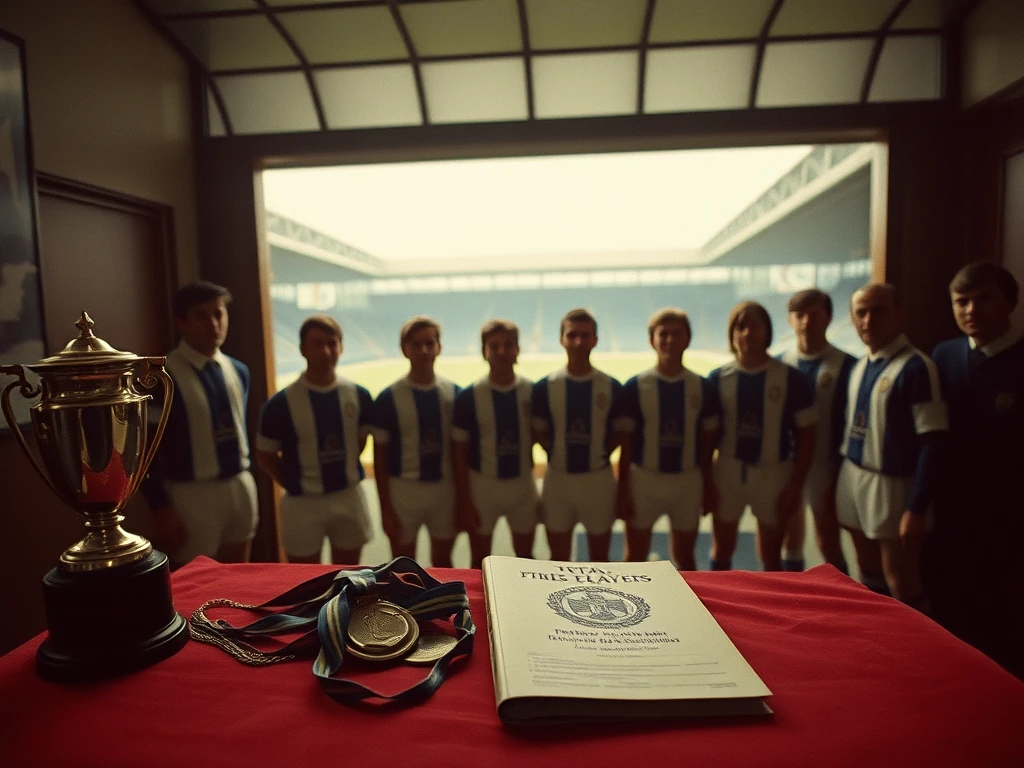
West Brom began their FA Cup journey with a series of impressive performances, igniting hopes among their dedicated supporters. The club's run to the final showcased not only their footballing prowess but also the strength of local talent. Matches were played in front of passionate crowds, who flocked to see their heroes don the famous stripes of black and white. The atmosphere at The Hawthorns was electric, as fans rallied behind a team that represented the hopes and dreams of a city still healing from war.
The semi-final against Burnley was a defining moment in this campaign. It was a tense affair that exemplified the grit and determination of The Baggies. Fans still recall the exhilarating atmosphere as the team fought tooth and nail, capturing the imagination of those who watched. Victory in this match propelled them to the final, where they would face the formidable Preston North End. With the nation watching, the final held the promise of glory and a chance to lift the spirits of a community eager for good news.
The FA Cup final on April 19, 1919, was a memorable occasion, despite the eventual outcome. Though West Brom faced defeat, their journey to the final was a testament to the club's spirit and the unwavering support of their fans. The final match symbolized a return to normalcy, a celebration of the game that had been sorely missed during the war years. It wasn't just about football; it was about coming together as a community, a reminder of what could be achieved through unity and perseverance.
The impact of this run extended far beyond the pitch. The 1919 FA Cup campaign helped re-establish football as an integral part of life in West Bromwich, rekindling a sense of pride and identity among locals. The Baggies had not only fought for victory; they had fought for the heart of their community, reaffirming their place in the fabric of local life.
Today, as we reflect on this historical moment, it is crucial to remember the legacy of those players who donned the Baggies jersey during this extraordinary time. Their efforts laid the groundwork for future generations, inspiring countless players and fans alike. The spirit of resilience exhibited during the 1919 FA Cup run continues to echo through the club’s halls, serving as a reminder that through adversity, The Baggies can rise again and again.
In a world where football often focuses on the present and immediate results, it is moments like the 1919 FA Cup run that remind us of the rich history and enduring spirit of clubs like West Bromwich Albion. The story of The Baggies is not just about victories and trophies, but about the heart and soul of the community, a testament to the enduring love for the game that binds fans together through the ages.